
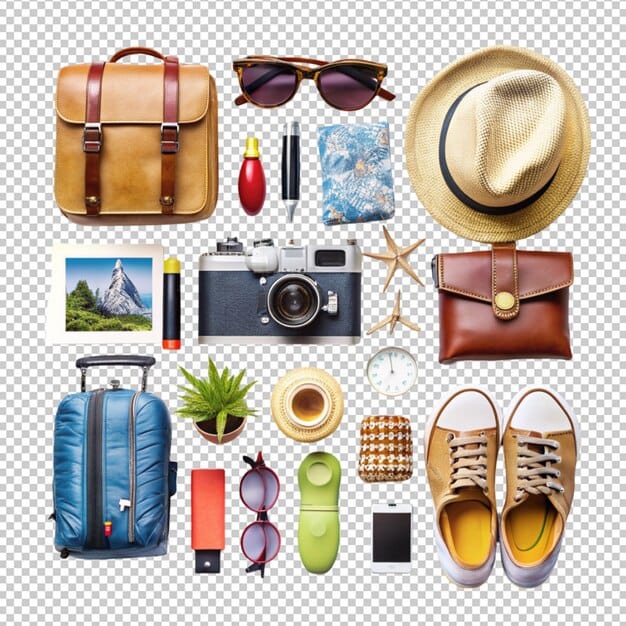
Travel Essentials: What You Need for a Smooth Journey
Traveling is an exciting and enriching experience, but proper preparation can make all the difference between a seamless adventure and a stressful ordeal. Packing the right travel essentials ensures you’re ready for any situation, whether you’re heading out for a weekend getaway or a months-long adventure. Below, we dive into the must-have items for every traveler.
Whether you’re embarking on a weekend getaway or planning an extended international adventure, having the right Travel Essentials can make the difference between a smooth journey and a challenging one. This comprehensive guide covers everything you need to consider when preparing for your next trip.
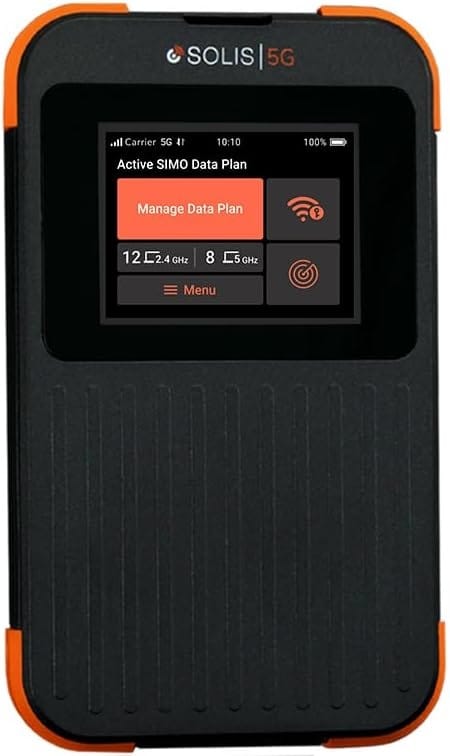
Solis 5G WiFi Mobile Hotspot for Travel, Local and International Coverage Router > Buy from Amazon
Important Travel Essentials: Documentation and Money Matters. The foundation of any successful trip starts with proper documentation. Your passport should be valid for at least six months beyond your planned return date, and you should always carry both physical and digital copies of important documents. These include:
A valid passport or appropriate identification Necessary visas and travel permits Travel Essentials insurance documentation Driver’s license and international driving permit if needed Vaccination records and medical documentation Credit cards and local currency Emergency contact information
Steamer for Clothes Steamer, Fashion Portable Handheld Garment Steamer > Buy from Amazon

Travel Essentials for international travelers, it’s wise to inform your bank and credit card companies about your travel plans to prevent any payment disruptions. Consider carrying multiple payment methods, including at least two different credit cards and some cash in both your home currency and that of your destination.
Tech and Communication Essentials. In our connected world, staying powered up and in touch is crucial. Travel Essentialstech items include:
Universal Power Adapter Many travelers learn the hard way that electrical outlets vary worldwide. A quality universal adapter with multiple USB ports and surge protection is invaluable. Look for one that’s compatible with Type A, B, C, E/F, G, and I outlets to cover most global destinations.
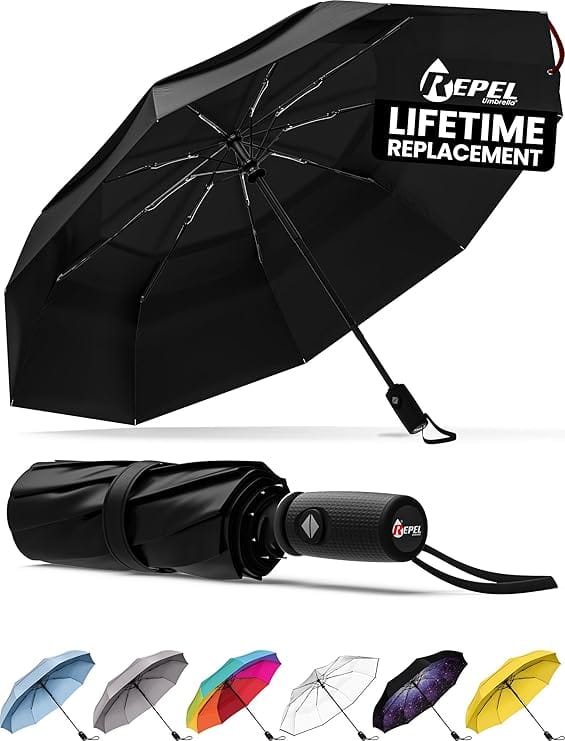
Umbrella Windproof Travel Umbrellas for Rain – Easy Auto Open Close, Durable & Compact > Buy from Amazon
Portable Power Bank A high-capacity power bank (preferably 20,000mAh or higher) can keep your devices running during long travel days. Consider models with both standard USB and USB-C ports to accommodate various devices.
Charging Cables Pack duplicate charging cables for all your devices. Consider bringing a longer cable for those hotel rooms where outlets are inconveniently placed.
Phone and Communications Ensure your phone is unlocked for international travel and research your mobile carrier’s international plans. Alternative options include purchasing a local SIM card at your destination or using a global eSIM service.
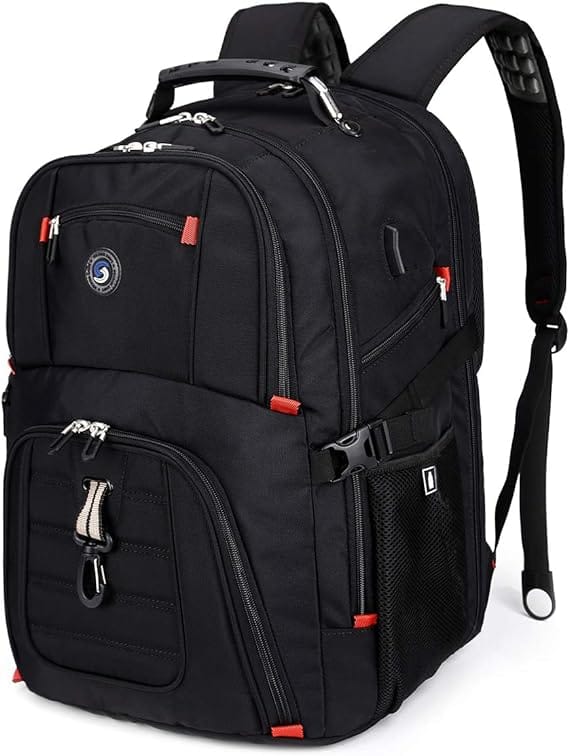
Extra Large 50L Travel Laptop Backpack with USB Charging Port > Buy from Amazon
Clothing and Personal Care
The key to packing clothing is versatility and appropriateness for your destination’s climate and cultural norms. Consider these essentials:
Clothing Fundamentals Focus on creating a capsule wardrobe with pieces that can be mixed and matched. Include: Lightweight, wrinkle-resistant fabrics Layers for temperature control Comfortable walking shoes Weather-appropriate outerwear Cultural-appropriate attire for religious sites or formal occasions Quick-dry undergarments and socks
Personal Care Items While many items can be purchased at your destination, certain personal care items are worth packing:
Travel-sized toiletries meeting airline regulations Prescription medications in original containers with copies of prescriptions Basic first-aid supplies Hand sanitizer and wet wipes Sunscreen and insect repellent Personal grooming essentials Contact lenses and solution if needed.
Comfort and Convenience Items
These items can significantly enhance your travel experience:
Travel Pillow and Eye Mask Invest in a quality travel pillow that provides proper neck support. Memory foam options can be compressed for packing. An eye mask is essential for sleeping on planes or in rooms without blackout curtains.
Earplugs or Noise-Canceling Headphones Whether it’s for drowning out airplane engine noise or getting rest in a noisy hotel, good sound isolation is valuable. Noise-canceling headphones serve double duty for entertainment and peace.
Water Bottle A reusable water bottle with a built-in filter can save money and reduce plastic waste. Look for collapsible options to save space when not in use.
Travel Organization
Keeping your belongings organized can reduce stress and save time:
Packing Cubes These lightweight organizers help separate different types of clothing and compress items to save space. They also make it easier to find specific items without unpacking everything.
Document Organizer A dedicated travel wallet or document organizer keeps important papers accessible and protected. Look for RFID-blocking features for added security.
Day Bag or Backpack A lightweight, packable day bag is essential for sightseeing. Look for one with anti-theft features like slash-proof materials and locking zippers.
Health and Safety Items
Being prepared for minor emergencies can prevent major disruptions:
First Aid Kit Include: Band-aids in various sizes Antiseptic wipes Pain relievers Anti-diarrheal medication Motion sickness remedies Any personal medications Basic first aid supplies
Safety Equipment Consider: Small flashlight or headlamp Emergency contact cards Copies of important documents Small padlock for lockers or luggage Whistle for emergencies
Destination-Specific Items
Different types of trips require different gear:
Beach Vacation Reef-safe sunscreen Beach towel or sarong Water shoes Waterproof phone case
Mountain or Hiking Trip Appropriate hiking boots Weather-appropriate clothing layers Navigation tools Emergency shelter
Urban Exploration Comfortable walking shoes City maps or offline navigation apps Museum passes or city cards Local transportation cards
Special Considerations
Business Travel Wrinkle-resistant business attire Portable steamer Business cards Laptop and accessories Presentation materials
Family Travel Entertainment for children Snacks and comfort items Extra changes of clothes First aid supplies specific to children Documentation for minors
Solo Travel Extra copies of important documents Personal safety devices Multiple forms of payment Emergency contact information in multiple places
Sustainable Travel Considerations
As responsible travelers, we should consider the environmental impact of our choices:
Reusable Items Water bottle with filter Cloth shopping bags Reusable utensils Cloth napkins Container for leftovers
Eco-Friendly Products Biodegradable toiletries Reef-safe sunscreen Natural insect repellent Sustainable clothing materials
Digital Alternatives Digital maps instead of paper E-tickets and mobile boarding passes Digital books and magazines Mobile payment methods
Packing Strategy
How you pack is as important as what you pack:
Start with a Packing List Create a customized list based on your destination, activities, and duration Check weather forecasts and cultural considerations Review any specific requirements for your accommodations or activities
Use the Right Luggage Choose appropriate size and type for your trip Consider weight restrictions Ensure durability and maneuverability
Pack Strategically Heavy items at the bottom near wheels Frequently needed items easily accessible Liquids in sealed, leak-proof containers Valuable items in carry-on luggage
The Art of Minimalism
One of the most valuable travel skills is learning to pack light:
Evaluate Each Item Consider multiple uses for each item Pack for the average day, not every possible scenario Choose items that coordinate well together Plan to do laundry on longer trips
What to Leave Behind Items available at your destination Excessive electronics “Just in case” items unlikely to be needed Valuable jewelry or unnecessary luxuries
Pre-Trip Preparation
Success in traveling often comes down to preparation:
Research Your Destination Local customs and etiquette Weather patterns and seasonal considerations Transportation options Safety considerations
Prepare Your Home Hold or forward mail Arrange pet care Secure your home Set up bill payments Inform necessary parties of your travel
Emergency Preparation Register with your embassy for international travel Save emergency numbers for your destination Purchase appropriate travel insurance Have a backup plan for common scenarios
The most important aspect of travel essentials is personalization. While this guide provides a comprehensive overview, the key is to adapt these suggestions to your specific needs, destination, and travel style. Regular travelers often refine their packing lists through experience, learning what items are truly essential for their particular way of traveling.
Remember that the goal isn’t to pack for every possible scenario but to be adequately prepared while maintaining the flexibility and mobility that make travel enjoyable. With careful planning and the right essentials, you can focus on what truly matters – the experience of exploring new places and creating lasting memories.
From ancient historical sites to pristine natural wonders, our planet offers an incredible array of destinations that cater to every type of traveler. This comprehensive guide explores diverse travel destinations, highlighting their unique characteristics, best times to visit, and what makes each location special.
European Classics
Paris, France The City of Light remains one of the world’s most visited destinations, and for good reason. Beyond the iconic Eiffel Tower, Paris offers unparalleled art at the Louvre, architectural marvels like Notre-Dame Cathedral, and charming neighborhoods such as Montmartre. The city’s café culture, fashion scene, and culinary excellence make it a perfect destination for culture enthusiasts. Best visited in spring (April-June) or fall (September-November) to avoid peak tourist crowds and enjoy mild weather.
Rome, Italy The Eternal City seamlessly blends ancient history with modern life. The Colosseum, Roman Forum, and Pantheon transport visitors back thousands of years, while the Vatican Museums house some of the world’s most precious artworks. Rome’s vibrant street life, exceptional cuisine, and hidden piazzas provide endless opportunities for exploration. Visit during spring or fall for comfortable temperatures and fewer tourists.
Asian Treasures
Kyoto, Japan Japan’s former imperial capital preserves the nation’s cultural heritage through its numerous temples, shrines, and traditional gardens. The city is particularly stunning during cherry blossom season (late March to early April) and autumn foliage (November). Notable sites include the golden Kinkaku-ji temple, the bamboo forests of Arashiyama, and the historic Gion district where geishas still practice their ancient arts.
Bali, Indonesia This Indonesian paradise offers a perfect blend of cultural richness and natural beauty. From the terraced rice fields of Ubud to the pristine beaches of Nusa Dua, Bali caters to both adventure seekers and relaxation enthusiasts. The island’s unique Hindu culture is evident in its thousands of temples, traditional ceremonies, and warm hospitality. Best visited during the dry season (April to October).
Natural Wonders
Machu Picchu, Peru This ancient Incan citadel, set high in the Andes Mountains, continues to mystify and inspire visitors. Whether reaching it via the traditional Inca Trail trek or by train, the first glimpse of these perfectly preserved ruins among misty mountain peaks is unforgettable. The dry season (May to October) offers the best conditions for visiting and hiking.
Great Barrier Reef, Australia The world’s largest coral reef system spans over 2,300 kilometers along Australia’s northeastern coast. This natural wonder offers unparalleled opportunities for snorkeling, diving, and marine life observation. The reef hosts thousands of species of colorful fish, coral, and marine mammals. Visit during the Australian winter (June to August) for optimal conditions and visibility.
Urban Adventures
New York City, USA The Big Apple embodies urban energy and cultural diversity. From Broadway shows to world-class museums like the Metropolitan Museum of Art, from Central Park’s greenery to the bright lights of Times Square, New York offers endless entertainment options. Each neighborhood presents its own character, from the artistic Chelsea to the sophisticated Upper East Side. Fall (September-November) offers pleasant weather and beautiful foliage in the city’s parks.
Singapore This city-state represents the perfect blend of modernity and tradition. Ultra-modern architecture like Marina Bay Sands coexists with historic neighborhoods such as Chinatown and Little India. Singapore’s reputation for cleanliness, efficiency, and amazing food makes it a favorite among travelers. Its year-round tropical climate means there’s no bad time to visit, though February to April tends to be drier.
Beach Paradises
Maldives This archipelago of 26 natural atolls in the Indian Ocean offers the ultimate luxury beach experience. Crystal-clear waters, overwater bungalows, and vibrant marine life make it perfect for honeymoons and romantic getaways. The dry season (November to April) provides the best weather for enjoying the islands’ famous water activities and beach experiences.
Greek Islands From Santorini’s dramatic caldera views to Mykonos’s vibrant nightlife, each Greek island offers its own distinct character. White-washed buildings, blue-domed churches, and stunning Mediterranean views create postcard-perfect scenes. The islands are best visited during the shoulder season (May-June or September-October) to avoid peak crowds while still enjoying warm weather.
Historical Journeys
Petra, Jordan The ancient city carved into rose-colored rock faces captures imaginations worldwide. The Treasury, Petra’s most famous structure, is just the beginning of this vast archaeological site. The best time to visit is during spring (March to May) or autumn (September to November) when temperatures are moderate.
Angkor Wat, Cambodia The world’s largest religious monument showcases the grandeur of the ancient Khmer Empire. The temple complex features intricate carvings, massive stone faces, and structures being slowly reclaimed by jungle. Visit during the dry season (November to March) for the best experience, though the temples are spectacular year-round.
Adventure Destinations
Patagonia (Chile/Argentina) This vast wilderness at the southern tip of South America offers some of the world’s most dramatic landscapes. Torres del Paine National Park in Chile and Los Glaciares National Park in Argentina feature jagged mountain peaks, massive glaciers, and pristine lakes. The austral summer (December to February) provides the best conditions for hiking and outdoor activities.
Iceland The Land of Fire and Ice offers unique natural phenomena, from the Northern Lights to geothermal hot springs. Visitors can explore glaciers, volcanic landscapes, and powerful waterfalls while experiencing the midnight sun in summer or long, dark winters perfect for aurora viewing. Summer (June to August) is ideal for hiking and road trips, while winter (November to March) is best for Northern Lights.
Emerging Destinations
Georgia (Country) This Caucasian nation is gaining recognition for its stunning mountain landscapes, ancient Christian monasteries, and incredible wine culture. The capital, Tbilisi, charms visitors with its old town’s wooden balconies and sulfur baths. Spring (May-June) and autumn (September-October) offer the best weather for exploring.
Rwanda Beyond its famous mountain gorillas, Rwanda offers remarkable experiences including chimpanzee tracking, canopy walks in Nyungwe Forest, and cultural experiences in the capital, Kigali. The country’s commitment to conservation and development makes it an increasingly popular destination. Dry seasons (June to September and December to February) are best for gorilla trekking.
Cultural Immersion
Rajasthan, India India’s largest state showcases the country’s royal heritage through magnificent palaces, imposing forts, and colorful festivals. Cities like Jaipur, Udaipur, and Jodhpur offer distinct experiences of Rajasthani culture, architecture, and traditions. Winter (October to March) provides the most comfortable conditions for exploration.
Mexico City, Mexico The Mexican capital surprises visitors with its rich history, world-class museums, and vibrant food scene. From ancient Aztec ruins to colonial architecture and contemporary art, the city offers layers of cultural exploration. Spring (March to May) offers pleasant weather and beautiful jacaranda blooms throughout the city.
Practical Considerations for Destination Selection
When choosing a travel destination, consider:
Season and Weather Research the best time to visit based on weather patterns and seasonal events Consider shoulder seasons for better value and fewer crowds Be aware of monsoon seasons in tropical destinations
Budget Considerations Account for accommodation, transportation, food, and activities Research currency exchange rates and local cost of living Look for destinations that offer good value for your budget
Accessibility Check flight routes and frequencies Research visa requirements and entry restrictions Consider internal transportation options
Personal Interests Match destinations with your primary travel motivations (culture, adventure, relaxation) Research specific activities and attractions that interest you Consider combining multiple nearby destinations
Safety and Health Check current travel advisories Research required vaccinations and health precautions Understand local healthcare availability
The Future of Travel Destinations
As travel patterns evolve, new considerations are shaping destination choices:
Sustainable Tourism Growing emphasis on environmentally responsible travel Interest in eco-friendly accommodations and activities Support for local communities and conservation efforts
Digital Nomad Friendly Destinations developing infrastructure for remote workers Importance of reliable internet connectivity Long-term stay options and coworking spaces
Over-Tourism Awareness Emergence of alternative destinations to popular locations Importance of visiting during off-peak seasons Focus on authentic local experiences
Conclusion
The world offers an incredible array of travel destinations, each with its own unique appeal and optimal timing for visits. Whether seeking cultural immersion, natural wonders, urban exploration, or peaceful retreat, there’s a perfect destination for every traveler. The key to a successful journey lies in matching your interests and circumstances with the right destination at the right time.
As global tourism continues to evolve, considering factors such as sustainability, local impact, and responsible travel becomes increasingly important. The most rewarding travel experiences often come from thorough research, thoughtful timing, and an open mind to experiencing new cultures and perspectives.
Remember that even well-known destinations can offer surprising discoveries, while emerging destinations might provide the authentic experiences many travelers seek. Whatever your choice, each destination offers the opportunity for personal growth, cultural understanding, and unforgettable memories.
Dubai is a dazzling metropolis rising from the Arabian Desert, where ultramodern architecture meets traditional Middle Eastern culture. The city is home to numerous world records, including the Burj Khalifa, the world’s tallest building piercing the sky at 828 meters.
Luxury shopping, opulent hotels, and artificial islands like the Palm Jumeirah showcase human engineering prowess. Despite its futuristic facade, Dubai maintains its heritage through traditional souks, desert safaris, and cultural districts.
The city’s tax-free status and strategic location have transformed it from a humble fishing village into a global business hub and tourist destination, attracting millions of visitors annually.Copy
